Why puit.is? Because origin matters.
Sources: Sumsub fraud statistics and Identity Fraud Report 2023.
The real problem is what happens after a file starts to move.
Files are copied, compressed, reformatted, reposted, and stripped of context. In that environment, plausibility is not enough. What matters is whether origin can still be checked later.
This is bigger than deepfakes. It affects journalism, heritage, public communication, brand assets, and any digital record that may later need to withstand scrutiny.

Why existing approaches break in the wild
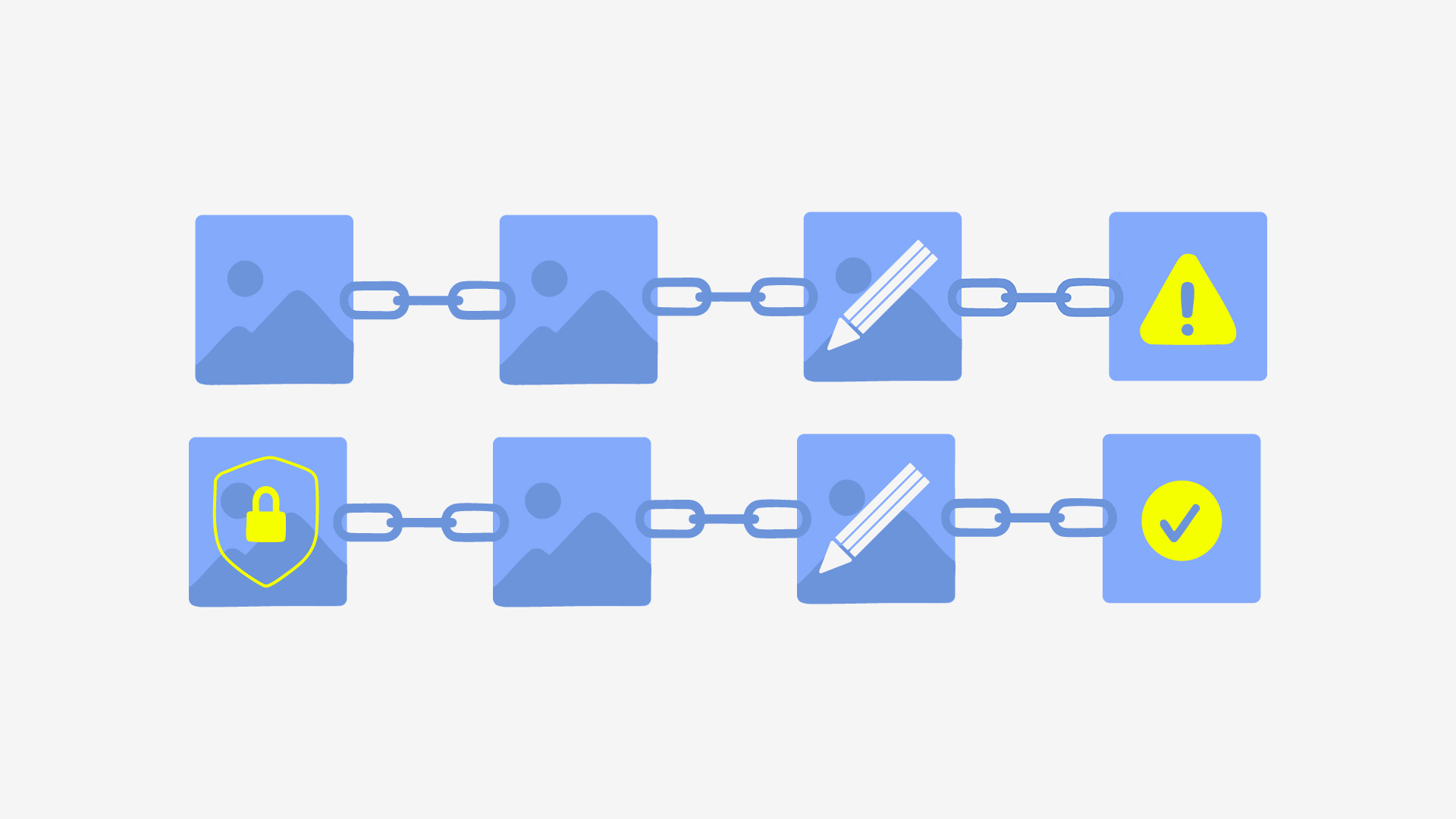
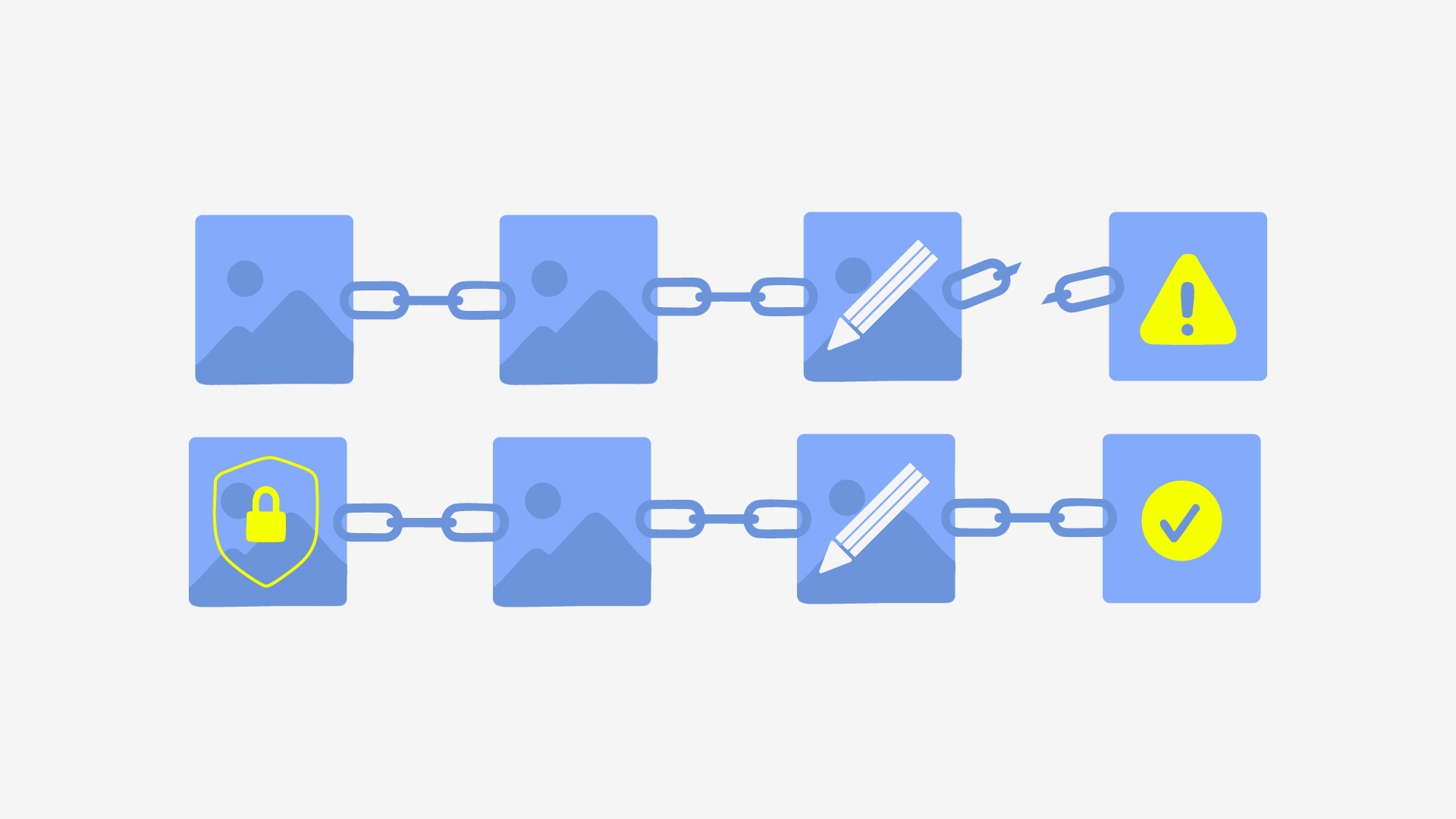
Most approaches work best in controlled environments. Public media rarely stays there. Metadata gets detached. Hashes break after routine edits. Detection stays reactive and probabilistic.
The missing piece is not another label. It is provenance that survives transformation.
- Metadata helps, until the file loses its context.
- Hashes prove sameness, not continuity through edits.
- Detection can flag risk, but not preserve origin.
What puit.is does differently
puit.is starts earlier. It helps anchor attribution and continuity at the source, so provenance can remain re-checkable later.
The goal is not to define truth. It is to make origin harder to steal, forge, or erase.
Our principles:
- Prevention-first - provenance begins before uncertainty multiplies.
- Truth-neutral - puit.is anchors attribution, not truth claims.
- Privacy-by-design - provenance should work without exposing unnecessary data.
- Open and interoperable - verification should not depend on one closed platform.
The result:
A transformation-aware provenance layer for digital media that helps make origin harder to steal, forge, or erase.





Why this matters now
More communication, evidence, and cultural memory now exists in digital form. At the same time, synthetic media is improving fast and Europe is moving toward stronger transparency and audit expectations.
That makes provenance a practical infrastructure problem, not a cosmetic feature.
Where puit.is becomes useful
puit.is is built for contexts where authenticity cannot rely on assumptions alone.
Digital heritage preservation
Preserve provenance across migration and reuse.
Media
Support continuity through editing, publication, and redistribution.
Creators and brands
Strengthen proof of origin against misuse and impersonation.
High-stakes documentation
Reinforce continuity where later scrutiny matters.
Regulated workflows
Improve defensibility where auditability and chain-of-custody matter.
What puit.is is not
puit.is does not decide whether content is true or false.
It is not a moderation system, a detection-only tool, or a platform-specific trust layer.
Instead, puit.is focuses on preserving continuity of origin: helping prove where digital media came from, whether provenance signals survive transformation, and whether authorship or source attribution can remain recoverable over time.
The goal is not to define truth.
The goal is to make origin harder to steal, forge, or erase.